








In today’s competitive digital landscape, generating leads is no longer the biggest challenge. Converting those leads into revenue is. Many businesses struggle with fragmented sales processes, delayed follow-ups, and missed opportunities.
This is where sales automation becomes essential.
Automation doesn’t just make your workflow simpler; it changes your entire sales pipeline into a predictable, scalable revenue engine.
Understanding the Modern Sales Pipeline
A sales pipeline shows the journey of a potential customer, from the first interaction to final conversion. Traditionally, managing this pipeline involved manual tasks like:
- Data entry
- Lead assignment
- Follow-ups
- Status updates
These repetitive activities waste valuable time and often lead to errors and lost deals.
Studies show that a significant portion of sales tasks can be automated, allowing teams to focus more on high-impact activities like closing deals and building relationships.
What is Sales Automation?
Sales automation is the use of technology to streamline and execute sales tasks without constant human involvement.
Instead of manually moving leads through stages, automation makes sure:
- Leads are instantly captured and assigned
- Follow-ups happen automatically
- Deals progress based on predefined triggers
In simple terms, when a lead takes an action, your system responds immediately.
This results in a faster, more efficient, and highly responsive sales process.
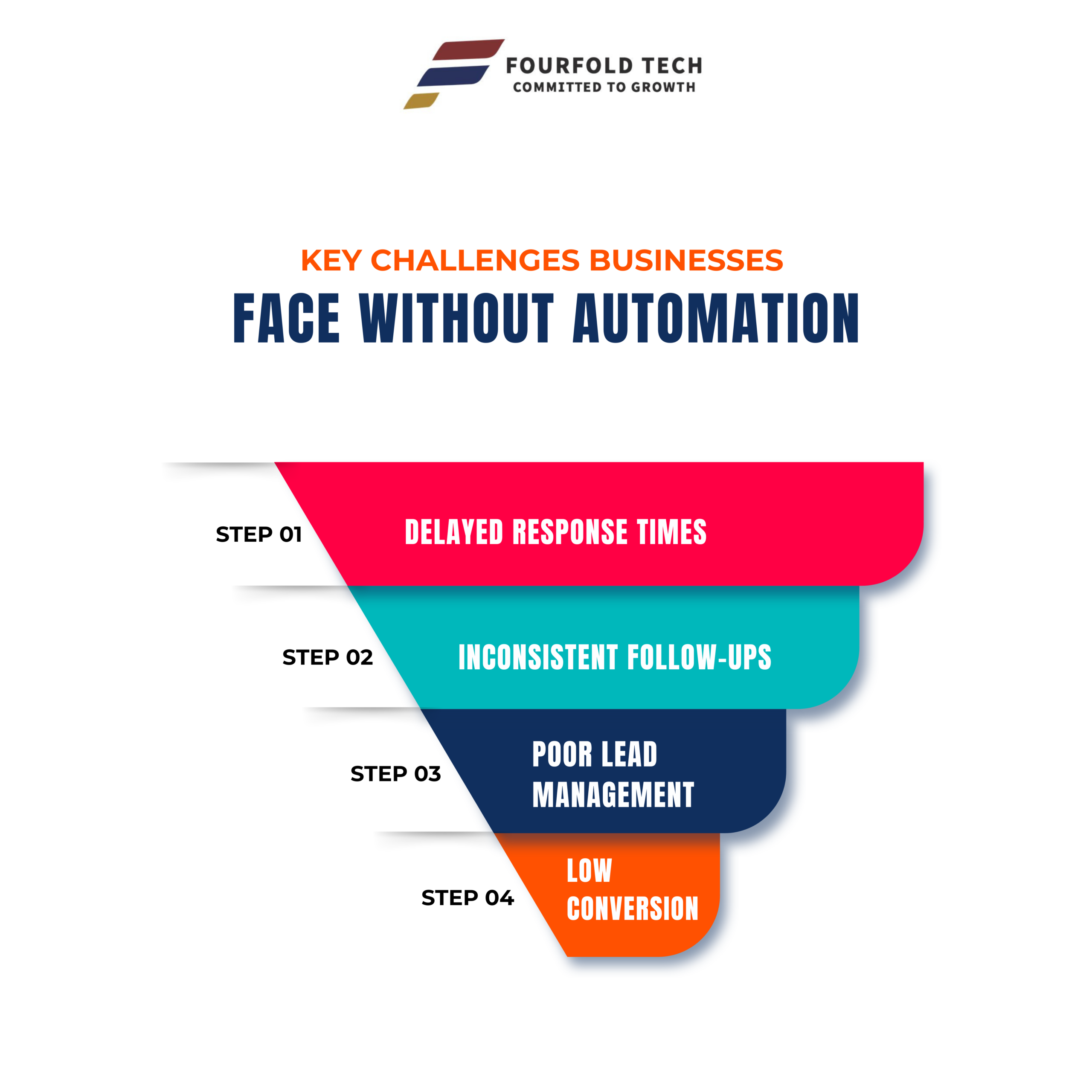
Key Challenges Businesses Face Without Automation
Without automation, businesses often face:
- Delayed Response Times
Leads go cold if not contacted quickly. - Inconsistent Follow-Ups
Manual processes lead to missed opportunities. - Poor Lead Management
Scattered data makes tracking difficult. - Low Conversion Rates
Lack of personalization and timing affects sales.
In fact, low conversion rates at different stages highlight the need for smarter systems and strategies driven by automation.
How Automation Transforms Your Sales Pipeline
- Instant Lead Capture & Qualification
Automation tools capture leads from websites, ads, and forms in real-time and assign them to the right sales representative.No delays. No confusion.
- Smart Lead Nurturing
Automated email sequences and follow-ups ensure every lead receives consistent nurturing.
-
- Personalized communication
- Timely engagement
- Higher trust building
- Improved Sales Productivity
Automation takes care of repetitive tasks like CRM updates, reporting, and scheduling.This allows sales teams to:
-
- Spend more time selling
- Focus on high-intent prospects
Businesses that implement automation often see a 10–15% improvement in efficiency and more time interacting with customers.
- Better Pipeline Visibility
With automation, your pipeline becomes:
-
- Real-time
- Data-driven
- Transparent
You can quickly identify:
-
- Bottlenecks
- High-performing channels
- Deal progress
- Faster Deal Closures
Automated workflows make sure that no deal gets stuck.From proposal generation to reminders, everything moves faster, reducing sales cycles significantly.
- Scalable Growth
Manual processes can break down as your business grows. Automation ensures:
-
- Consistency across teams
- Standardized workflows
- Easy scalability
Real Impact: From Leads to Revenue
When done correctly, automation doesn’t just improve processes; it directly boosts revenue:
-
- Increased conversion rates
- Faster sales cycles
- Higher customer satisfaction
- Improved forecasting accuracy
Some businesses have reported significant improvements in deal velocity and win rates through automation-driven pipelines.
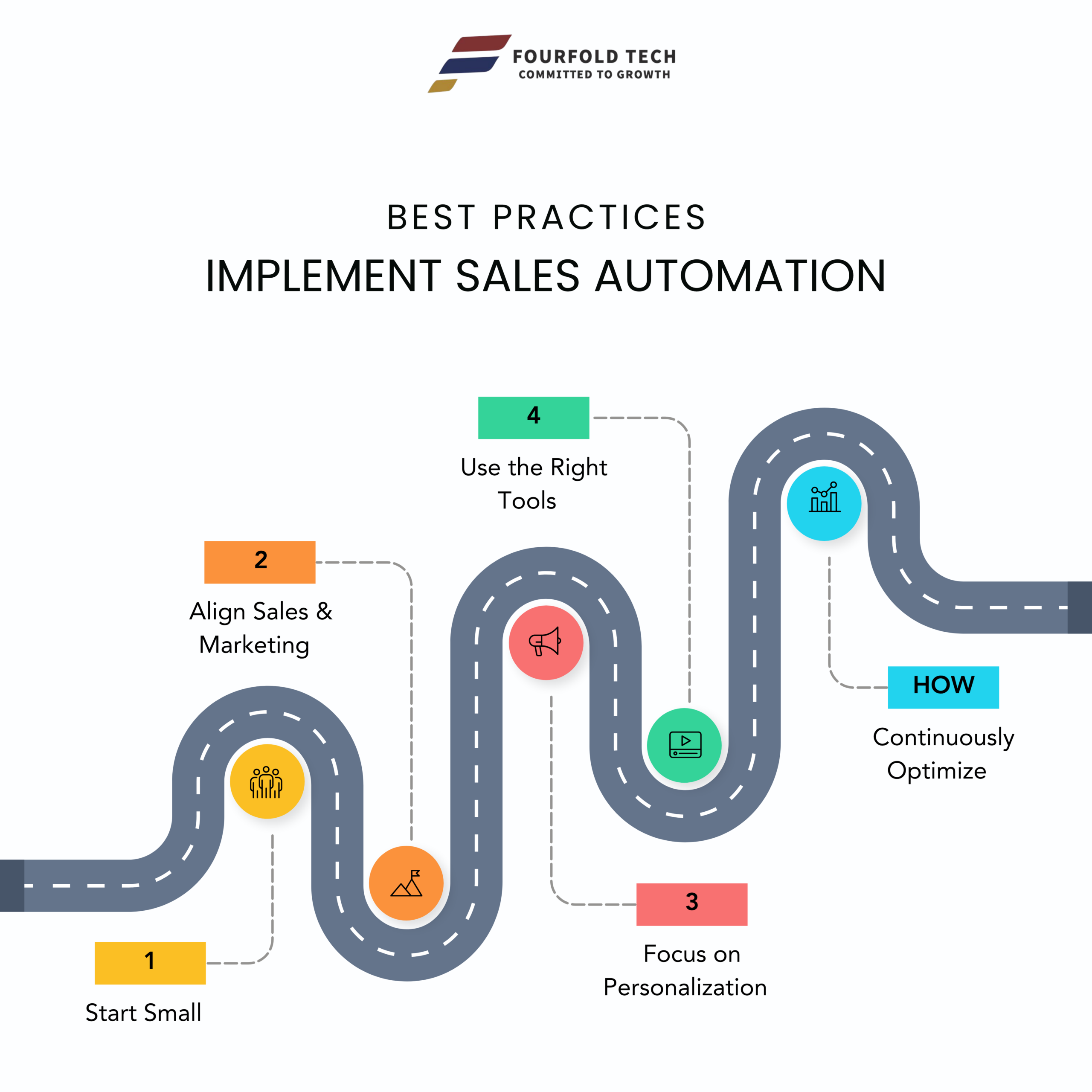
Best Practices to Implement Sales Automation
To achieve the best results, follow these steps:
- Start Small
Automate key areas like lead capture, assignment, and follow-ups first. - Align Sales & Marketing
Ensure both teams work with the same data and goals. - Use the Right Tools
Choose CRM and automation tools that integrate seamlessly. - Focus on Personalization
Automation should improve human interaction, not replace it. - Continuously Optimize
Regularly analyze performance and refine workflows.
Why Automation is the Future of Sales
Sales automation is now essential.
With rising competition and customer expectations, businesses need systems that are:
- Fast
- Intelligent
- Scalable
Automation allows your team to work smarter, close deals faster, and grow consistently.
Conclusion
Turning leads into revenue requires more than just effort; it demands efficiency, consistency, and speed.
Sales automation fills the gap between potential and performance by turning your pipeline into a revenue-generating machine.
At Fourfold Tech, we assist businesses in implementing smart automation strategies that drive real growth, because the future of sales is automated, not manual.


